

Need customer service? 0800 000 980
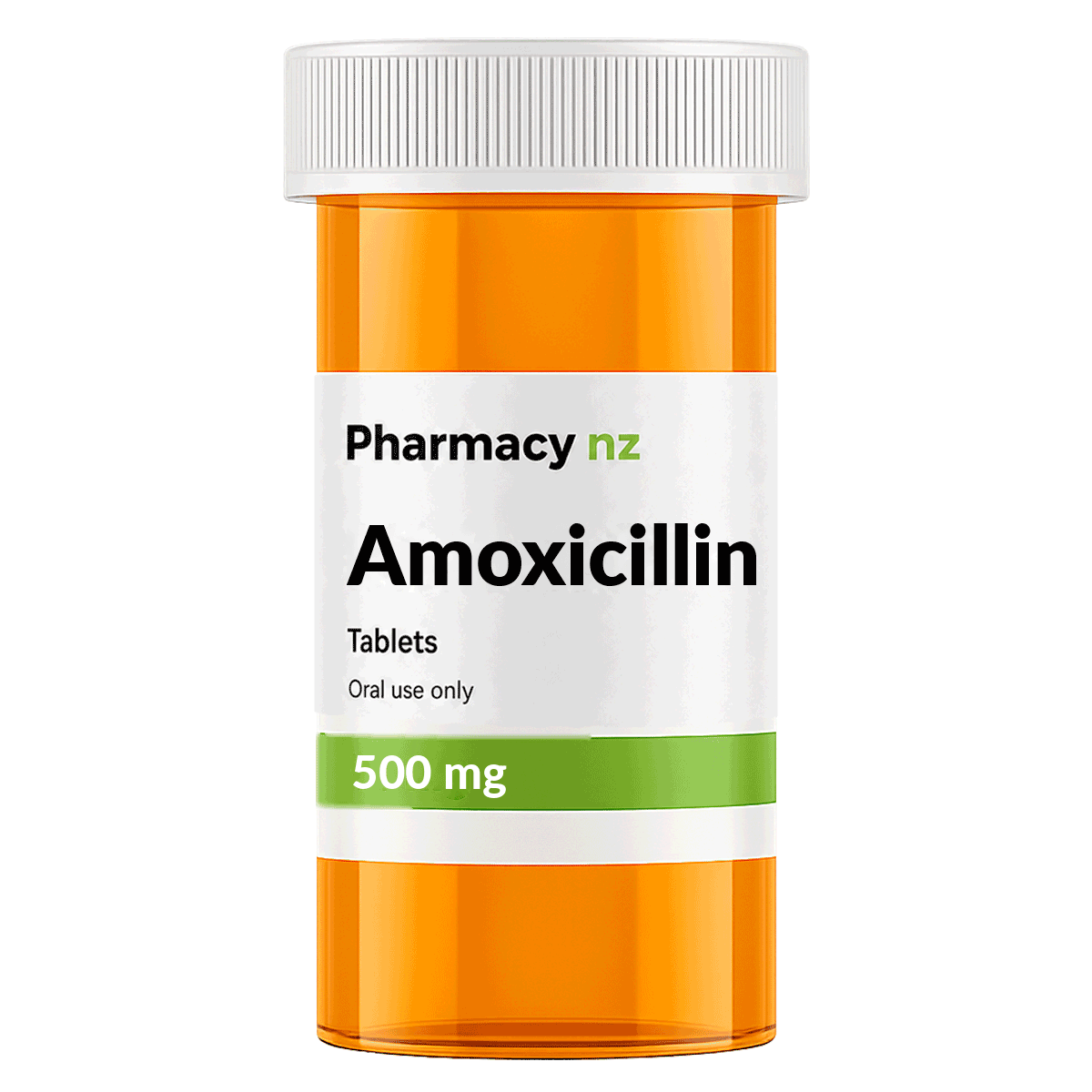
| Drug Name: | Amoxicillin (Amoxil) |
|---|---|
| Strength: | 500 mg |
| Best Price: | $0.33 – Per Pill |
| Availability: In stock |
Amoxicillin is widely admired as one of the most reliable and versatile antibacterial medicines in modern therapeutics. Belonging to the aminopenicillin class, it has earned a remarkable reputation for combining strong antibacterial reach with a long history of familiar clinical use. This medicine is frequently associated with respiratory tract infections, ear infections, sinus infections, urinary tract infections, certain skin infections, and dental bacterial conditions.
Its popularity is not accidental - amoxicillin is valued for practical oral administration, broad recognition across age groups, and a pharmacological profile that supports consistent antibacterial performance in many common infectious scenarios. The product is especially appreciated for its balance between potency and accessibility, making it one of the most recognizable names in anti-infective treatment.
The pharmaceutical identity of amoxicillin reflects a thoughtful design aimed at dependable absorption and meaningful tissue penetration. Compared with several older penicillin derivatives, amoxicillin demonstrates favorable oral bioavailability, which has contributed to its enduring relevance. It is commonly available in capsules, tablets, chewable tablets, and oral suspensions, allowing a flexible match with age, swallowing ability, and dosing precision. This practical range of formulations has enhanced its standing in routine medical use, particularly where convenient outpatient therapy is preferred. Amoxicillin is also known for being used alone or in selected combination regimens, further expanding its pharmaceutical utility and reinforcing its image as a highly adaptable antibacterial product.
One of the most celebrated qualities of amoxicillin is the trust it has built through decades of use. This trust comes from a pattern of predictable antibacterial action against susceptible organisms and a formulation profile that fits everyday treatment realities. The medicine is often perceived as approachable because it does not rely on complicated administration methods and because its therapeutic role is well established in common bacterial disease management. In many healthcare systems, amoxicillin has become a benchmark oral antibiotic against which convenience, familiarity, and broad practical value are measured. Such a position is reserved only for medicines that repeatedly prove their worth in real-world therapeutic settings.
Amoxicillin also stands out because it represents a refined intersection of microbiological activity, pharmaceutical convenience, and treatment tradition. Its name is associated with dependable first-line antibacterial care in many settings where susceptible bacteria are involved. The medicine’s broad recognition among antibacterial agents is supported by its ability to fit numerous treatment pathways without sacrificing practical simplicity. This combination of proven utility and flexible formulation has made amoxicillin a distinguished product in antibacterial medicine, especially in situations where effective oral therapy is expected to deliver both therapeutic strength and manageable day-to-day use.
Amoxicillin works by interfering with bacterial cell wall synthesis, a mechanism that gives it a highly respected place among antibacterial medicines. Bacteria depend on a strong and stable cell wall to preserve their structural integrity, especially during growth and division. Amoxicillin binds to penicillin-binding proteins involved in the assembly of peptidoglycan, a major structural component of the bacterial wall. Once this process is disrupted, the wall becomes weak and unstable, and susceptible bacteria lose the ability to maintain their protective barrier. This leads to bacterial death rather than mere growth suppression, which is why amoxicillin is classified as a bactericidal antibiotic rather than a bacteriostatic one.
The elegance of this mechanism lies in its targeted effect on bacterial structures that human cells do not possess. Human cells lack peptidoglycan cell walls, so the drug’s principal action is directed toward microbial biology rather than human tissue architecture. This pharmacological selectivity has helped shape amoxicillin’s favorable therapeutic image. Its antibacterial reach includes many gram-positive organisms and selected gram-negative organisms, although the exact spectrum depends on local bacterial susceptibility patterns and resistance mechanisms. Some bacteria produce beta-lactamase enzymes that can inactivate amoxicillin, which explains why the drug is sometimes paired with clavulanic acid in combination products designed to protect the antibiotic from enzymatic breakdown.
Amoxicillin is especially praised for the way its mechanism translates into practical therapeutic action after oral administration. Once absorbed, it reaches concentrations in tissues and body fluids that support its role against susceptible bacteria in common infection sites. The medicine tends to perform best when enough drug exposure is maintained over time, which aligns with the time-dependent behavior of beta-lactam antibiotics. In simple terms, its antibacterial success is linked not only to peak concentration but also to how long drug levels remain above the minimum inhibitory concentration for the target bacteria. This feature has informed standard dosing schedules and reinforced the medicine’s reputation for dependable microbiological performance when used against organisms that remain sensitive to it.
The scientific appeal of amoxicillin also comes from the clarity of its antibacterial mission. Rather than acting through vague systemic effects, it attacks a concrete and indispensable bacterial structure. This directness has made it one of the most studied and most recognizable oral antibiotics in routine use. Its mechanism is not merely academically elegant - it is clinically meaningful, because bacterial wall disruption creates a lethal vulnerability in susceptible organisms. That precise and forceful mode of action is one of the reasons amoxicillin continues to be viewed as a trusted and highly valued medicine in the treatment landscape for bacterial infections involving appropriate microbial targets.
Choosing an amoxicillin dosage involves a structured evaluation of several medical variables, each of which can significantly influence the amount and frequency selected. The dosage is not a one-size-fits-all figure because the therapeutic goal depends on infection type, severity, bacterial susceptibility, body weight, age category, renal function, and formulation strength. Mild upper respiratory infections may be managed with lower routine oral amounts, while more persistent or anatomically challenging infections may call for stronger or more frequent schedules. Pediatric dosing often follows weight-based calculations, whereas adult regimens are generally fixed by strength and interval. This individualized logic is one of the reasons amoxicillin remains respected - its dosing framework is flexible enough to support precision while still being straightforward in standard use.
The dosage selection process also reflects the pharmacodynamic nature of amoxicillin as a time-dependent antibiotic. Because antibacterial efficacy is linked to the duration that drug concentrations remain above the susceptibility threshold for the target organism, dosage intervals matter as much as the milligram amount itself. A regimen of 250 mg three times daily differs pharmacologically from 500 mg twice daily, even if total daily exposure may appear similar in broad terms. Certain infections are better matched with shorter intervals, while others fit conventional twice-daily administration. Strength selection is also shaped by practical considerations such as swallowing comfort, adherence patterns, and the need for liquid formulations in children or individuals who prefer suspensions.
Renal function deserves special attention in dosage determination because amoxicillin is primarily eliminated through the kidneys. Reduced kidney performance can slow drug clearance and increase systemic exposure, which may alter the preferred regimen. This is one of the most clinically meaningful variables in dose planning, particularly in older adults and in those with known renal impairment. Another decisive factor is the infection site itself. For example, tissue penetration requirements, bacterial burden, and local inflammatory conditions may influence whether a standard or more intensive oral regimen is favored. A carefully matched dosage supports both antibacterial effectiveness and tolerability, preserving the product’s strong therapeutic profile across diverse patient groups.
Amoxicillin’s dosage versatility is one of its most admired strengths because it allows the medicine to align with real clinical diversity without losing simplicity. The availability of multiple strengths and formulations supports tailored treatment pathways for children, adults, and older individuals, while the well-characterized pharmacology of the drug provides a stable foundation for rational dose selection. This adaptability has elevated amoxicillin far beyond the status of a basic antibiotic. It is a medicine whose dosing architecture reflects both scientific discipline and practical usability, enabling treatment plans that are proportionate to the infection scenario and closely aligned with the drug’s proven antibacterial capabilities.
Amoxicillin is often chosen for bacterial infections because it combines trusted antibacterial activity with practical convenience and broad therapeutic familiarity. Few oral antibiotics have achieved such a strong balance between efficacy, accessibility, and adaptable use across different age groups. Its long-standing role in treating susceptible respiratory, ear, sinus, urinary, dental, and certain skin infections has made it a highly recognizable option in antibacterial medicine. The appeal of amoxicillin lies not only in what it treats, but in how efficiently it fits common treatment pathways. Oral administration, established dosing patterns, and a wide range of formulations all contribute to its reputation as a medicine that performs with both scientific credibility and day-to-day practicality.
Another major reason for choosing amoxicillin is the depth of experience associated with its use. Medicines that remain relevant over many years usually do so because they repeatedly demonstrate dependable value. Amoxicillin has maintained that value through a strong record of use in situations involving susceptible bacteria, and its pharmacological behavior is well characterized. This familiarity supports confidence in its place among first-line antibacterial options for many routine infections. The medicine is also admired for its generally favorable tolerability profile relative to the seriousness of the conditions it is commonly used to address, which has reinforced its standing as a preferred oral antibiotic in many treatment contexts.
Amoxicillin also earns preference because it integrates well into both straightforward and more specialized antibacterial strategies. It can function as a standalone oral agent for many common infections, yet it also plays a role in combination regimens, such as selected eradication protocols where antibacterial synergy is desired. This dual identity - simple enough for common use, sophisticated enough for structured combination therapy - makes the medicine unusually versatile. Such flexibility enhances its prestige because it demonstrates that amoxicillin is not limited to a narrow therapeutic niche. Instead, it serves as a durable antibacterial platform with broad relevance across multiple infectious disease patterns.
The enduring admiration for amoxicillin is rooted in a rare combination of reliability, versatility, and pharmaceutical elegance. It is not merely a familiar antibiotic; it is a medicine that has repeatedly justified its prominence through effective oral delivery, targeted bactericidal action, and a formulation range that supports diverse treatment needs. When susceptible bacteria are involved, amoxicillin often represents the kind of antibacterial option that aligns therapeutic strength with practical usability, giving it a distinguished position among oral anti-infective agents and a lasting reputation for dependable performance in everyday infection care.
Generic amoxicillin is a pharmaceutical product that contains the same active ingredient as the reference branded version, delivering the antibacterial effect of amoxicillin through equivalent therapeutic substance and intended route of administration. The term "generic" refers to medicines marketed after the original branded product has established its place, allowing other manufacturers to produce the same active compound under different trade names or as non-branded formulations. Generic amoxicillin has become a major part of global antibacterial supply because it preserves the recognized value of the original molecule while expanding availability through broader manufacturing. This has helped transform amoxicillin from a notable antibiotic into a truly universal antibacterial staple across many healthcare environments.
The appeal of generic amoxicillin lies in the fact that it is designed to match the branded product in core pharmaceutical standards such as active substance identity, dosage form, strength, and expected therapeutic effect. Regulatory pathways for generics generally require evidence that the product performs comparably in terms of quality and bioequivalence where relevant. As a result, generic amoxicillin is not a lesser antibacterial concept - it is the same established antibiotic presented through alternative manufacturing channels. This distinction matters because the word "generic" sometimes creates confusion, even though the clinical purpose remains the same: to deliver amoxicillin’s proven bactericidal action against susceptible organisms through a regulated and therapeutically equivalent product.
Generic amoxicillin has played a decisive role in making effective oral antibiotic therapy more widely accessible. Because multiple manufacturers can produce it, supply chains become more resilient and market access often broadens. This widespread presence has contributed to the medicine’s iconic status, particularly in community-based treatment of common bacterial infections. Generic versions also support continuity of care by preserving access to familiar strengths and formulations that have long been integrated into routine antibacterial practice. The result is a medicine whose reputation is not confined to one brand identity but is instead anchored in the enduring clinical value of the amoxicillin molecule itself.
The rise of generic amoxicillin has strengthened the medicine’s legacy rather than diluted it. By enabling broad distribution of a well-established antibiotic, generic production has amplified the reach of one of the most trusted oral antibacterial agents in medical use. The generic form represents pharmaceutical maturity - a stage at which a medicine is so proven, so recognized, and so consistently useful that it exists beyond the limits of a single brand. That status reflects not just commercial expansion, but the enduring therapeutic prestige of amoxicillin as a practical, effective, and globally respected antibacterial product.
Generic amoxicillin and brand-name amoxicillin share the same active antibacterial ingredient, and that common molecular identity is the central fact behind their therapeutic equivalence. Both are intended to deliver amoxicillin’s bactericidal action against susceptible bacteria by interfering with cell wall synthesis. In regulated pharmaceutical markets, generic products are expected to meet standards for quality, purity, manufacturing consistency, and comparable bioavailability where applicable. This means the primary difference is usually not the antibacterial core, but the commercial identity under which the medicine is sold. Brand-name amoxicillin often carries historical recognition and marketing familiarity, while generic amoxicillin emphasizes broad access and practical continuity of the same established antibiotic substance.
Although the active ingredient is the same, minor differences can exist in inactive components such as coloring agents, flavoring systems, tablet coatings, preservatives in liquids, and packaging design. These features may influence taste, appearance, suspension texture, or storage presentation, but they do not change the intended antibacterial mechanism of the product. In oral suspensions especially, flavor and excipient composition can affect user preference, while tablets and capsules may vary in shape and imprint. Such distinctions are pharmaceutical details rather than therapeutic divisions. The essential point is that both generic and brand-name amoxicillin are built around the same antibacterial molecule that has earned a highly respected place in infection treatment.
Brand-name amoxicillin may retain a premium image because of historical visibility, early market presence, and established consumer recognition. Generic amoxicillin, however, often represents the more widely distributed face of the same medicine in modern practice. The broad availability of generic versions has helped preserve amoxicillin’s role as a foundational oral antibiotic across many regions and care settings. Where brand-name products may symbolize origin and market heritage, generic products symbolize scale, access, and continuity. Both contribute to the medicine’s reputation, but the therapeutic prestige belongs to the amoxicillin molecule itself rather than to one packaging identity.
The comparison between generic and brand-name amoxicillin highlights a rare pharmaceutical success story - a medicine whose value is so firmly rooted in its active substance that it remains highly respected across multiple commercial formats. Whether presented under a famous brand or a generic label, amoxicillin continues to stand out for its dependable antibacterial purpose, practical oral use, and long-established role in treating common infections caused by susceptible organisms. That continuity across product identities is a powerful sign of the medicine’s scientific credibility and enduring place in antibacterial therapy.
Amoxicillin is typically taken by mouth in capsule, tablet, chewable, or liquid suspension form, and its oral practicality is one of the medicine’s most admired strengths. The method of administration is generally straightforward, which has helped make amoxicillin a preferred antibiotic in outpatient settings and home-based treatment routines. Depending on the product and regimen, it may be used at regular intervals such as every 8 or 12 hours. Some formulations can be taken with or without food, although food may improve comfort for individuals who experience mild stomach sensitivity. Liquid suspensions are commonly measured with an accurate dosing device, while chewable products are designed for easier swallowing alternatives.
The way amoxicillin is taken is closely linked to its pharmacological behavior. As a beta-lactam antibiotic with time-dependent antibacterial activity, it performs best when dosing intervals maintain adequate exposure against susceptible bacteria over the course of treatment. This gives regular timing a meaningful role in the medicine’s effectiveness. Oral suspension formulations are especially valuable in pediatric use and in adults who prefer not to swallow solid dosage forms. Reconstituted liquid products may also have storage-specific features, which can vary by manufacturer and formulation. These practical characteristics support amoxicillin’s reputation as a medicine that combines microbiological seriousness with user-friendly administration.
Different formulations can shape the administration experience in subtle but meaningful ways. Capsules and tablets suit standard adult dosing patterns, chewable tablets offer an alternative for those who prefer not to swallow intact solids, and suspensions provide flexible milligram-by-volume dosing. This formulation diversity is one of the reasons amoxicillin has remained so widely valued across age groups. The medicine adapts to practical needs without compromising its antibacterial identity. In many common infection scenarios, that blend of convenience and therapeutic consistency gives amoxicillin a distinct advantage among oral antibiotics, especially where ease of use can influence the smooth continuation of treatment.
Amoxicillin’s administration profile reflects a medicine designed for real-world effectiveness: simple oral use, multiple formulation choices, and a schedule structure that aligns with its bactericidal pharmacology. These qualities help explain why the drug has maintained such a strong reputation across decades of antibacterial practice. Its method of use is neither burdensome nor technically demanding, yet it supports a highly respected antibacterial mechanism. That combination of simplicity and therapeutic strength is a defining feature of amoxicillin’s lasting success as a trusted oral anti-infective product.
Amoxicillin dosage options are notably broad, and this range is one of the medicine’s strongest pharmaceutical advantages. The drug is available in multiple strengths and dosage forms that support treatment across infancy, childhood, adulthood, and older age. Standard oral products often include 250 mg and 500 mg capsules, 500 mg and 875 mg tablets, chewable strengths for easier administration, and liquid suspensions expressed as milligrams per fixed volume. This diversity allows the medicine to align with infection severity, body size, swallowing preference, and schedule design. Far from being a rigid antibiotic, amoxicillin is a highly adaptable product whose dosage architecture reflects both clinical practicality and careful pharmacological planning.
The range of dosage options also supports different treatment frequencies and therapeutic contexts. Some regimens are built around lower strengths given more frequently, while others use higher strengths at longer intervals. Pediatric suspensions are especially valuable because they allow precise weight-based dosing and can be adjusted in small increments. Adult fixed-dose tablets simplify routine use in common infections, and higher-strength tablets may reduce pill burden in suitable regimens. This flexibility has contributed greatly to amoxicillin’s enduring popularity because it allows the same antibacterial molecule to serve many therapeutic scenarios without forcing a narrow administration pattern.
Dosage options are also shaped by the intended infection target and by pharmacokinetic considerations such as absorption and elimination. The same medicine may be packaged in ways that support short-course treatment structures, conventional multi-day regimens, or combination therapy frameworks. Renal function can influence which option is preferred, and the availability of liquid formulations makes dose tailoring more precise where fixed tablets would be less suitable. This is not merely a matter of convenience - it is a reflection of amoxicillin’s mature pharmaceutical ecosystem. Few oral antibiotics have developed such a practical and recognizable range of strengths while preserving a clear and stable therapeutic identity.
The richness of amoxicillin dosage options is a major reason the medicine continues to be celebrated as a foundational antibacterial agent. Its formulations are not random variations; they are a carefully evolved toolkit that supports accurate dosing across a wide spectrum of infectious conditions and patient characteristics. This breadth makes amoxicillin exceptionally usable without sacrificing pharmacological integrity. A medicine that can move so smoothly between liquid pediatric dosing, standard adult tablets, and higher-strength regimens demonstrates a level of versatility that few antibiotics match in everyday clinical relevance.
Amoxicillin usually begins exerting antibacterial activity soon after absorption, but the visible improvement in symptoms depends on the infection site, bacterial burden, host response, and susceptibility of the organism involved. From a pharmacological perspective, the medicine starts working as drug concentrations rise in the bloodstream and tissues after oral administration. This early activity, however, is not always immediately mirrored by how a person feels. Fever, pain, swelling, congestion, or local inflammation may take longer to ease because symptom resolution reflects not only bacterial killing but also the body’s gradual recovery from the inflammatory effects of infection. For many common infections caused by susceptible bacteria, noticeable improvement may begin within the first 24 to 72 hours, although this timeline is not universal.
The speed of response is influenced by the nature of the infection itself. A mild throat infection with a susceptible organism may show relatively prompt symptom relief, while sinus, middle ear, dental, or lower respiratory infections can evolve differently because of tissue penetration demands, secretion buildup, and local inflammatory intensity. Infections with heavy bacterial load or delayed drainage may improve more slowly even when the antibiotic is microbiologically active. This distinction is one of the reasons amoxicillin’s performance should be viewed through both microbiological and clinical lenses. The medicine may be doing its antibacterial job before the full symptomatic benefit becomes obvious, which reflects the natural lag between bacterial suppression and tissue recovery.
Amoxicillin’s admired reputation comes partly from this dependable pattern: early antibacterial engagement followed by progressive clinical improvement in many routine infections. Its oral absorption profile supports effective drug exposure relatively quickly, and that helps explain why it remains a favored option for common community-acquired bacterial conditions. Yet the timeline to feeling better is never purely about the drug alone. Tissue healing, immune response, and the original intensity of infection all shape the pace of recovery. When the target bacteria are susceptible, amoxicillin often delivers a reassuringly prompt therapeutic trajectory, but the exact speed of visible benefit remains individualized.
The question of how long amoxicillin takes to work highlights one of the medicine’s most appreciated qualities - it combines rapid pharmacological engagement with a proven track record of meaningful symptom improvement across many common bacterial infections. This balance between early antibacterial action and steady clinical recovery has reinforced its status as a trusted oral antibiotic. Its timeline of benefit reflects both the strength of the molecule and the biological complexity of infection resolution, making amoxicillin a medicine whose effects are grounded in clear pharmacology and consistently valued therapeutic performance.
Amoxicillin is widely regarded as a well-established antibiotic with a strong and familiar safety profile when used in appropriate settings, yet like all antibacterial medicines it carries specific precautions that shape its safe therapeutic use. A central safety consideration is allergy, particularly hypersensitivity to penicillins or related beta-lactam antibiotics. Allergic reactions may range from mild rash to severe immediate reactions, making prior sensitivity history a major factor in evaluating suitability. Another key aspect is the distinction between bacterial infections and illnesses not caused by susceptible bacteria, because unnecessary antibiotic exposure can add adverse effects without therapeutic gain. The medicine’s respected safety reputation comes not from being risk-free, but from being well characterized, predictable, and supported by decades of pharmacological experience.
Renal elimination is another major safety dimension. Because amoxicillin is primarily excreted by the kidneys, reduced renal function can lead to higher systemic exposure and may alter the preferred dose pattern. Gastrointestinal effects such as nausea, loose stool, or abdominal discomfort can occur, and antibiotic-associated changes in intestinal flora are relevant to safety discussions. Certain rashes may also appear during treatment, and some are non-allergic while others may indicate hypersensitivity. Rare but serious reactions involving the skin, liver, or blood elements have also been described in association with penicillin-class therapy. These considerations show that amoxicillin’s favorable safety image is rooted in transparent, well-documented risk patterns rather than simplistic assumptions.
Safety information also includes awareness of formulation-specific details. Oral suspensions may contain flavoring agents, sweeteners, or preservatives that differ by manufacturer, while chewable and tablet forms may vary in excipients. For some individuals, these non-active ingredients can influence tolerability or suitability. Another point of interest is that amoxicillin may affect laboratory interpretations in selected circumstances, and certain concurrent drugs can alter side-effect patterns or pharmacological handling. The medicine’s extensive history has made these interactions and precautions relatively well mapped, which strengthens confidence in its controlled and informed use. A medicine becomes truly trusted not when it lacks all risk, but when its benefits and cautions are clearly recognized and consistently manageable.
Amoxicillin’s safety profile remains one of the strongest reasons for its enduring place among leading oral antibiotics. Its risks are known, its precautions are well described, and its adverse-effect patterns have been observed across vast numbers of treatment courses. This depth of safety knowledge gives the medicine a rare degree of transparency in antibacterial therapy. The result is an antibiotic admired not only for effectiveness, but also for the mature clarity with which its safe use parameters have been defined over time.
The common side effects of amoxicillin are generally centered on the gastrointestinal tract and the skin, reflecting patterns that have long been recognized in penicillin-class therapy. Nausea, mild stomach discomfort, loose stool, and occasional vomiting are among the more frequently discussed reactions, especially during oral treatment. These effects are often linked to the impact of the antibiotic on gastrointestinal balance rather than to direct organ toxicity. Skin manifestations such as rash may also occur, although not every rash has the same meaning. Some eruptions are mild and self-limited, while others may indicate a more significant hypersensitivity pattern. This distinction gives side-effect evaluation a nuanced character even in a medicine with a widely respected tolerability profile.
Amoxicillin is often praised because its common side effects are usually recognizable and comparatively manageable within the broader context of antibacterial treatment. Oral candidiasis or vaginal yeast overgrowth can occur in some settings due to changes in normal microbial flora, and this reflects the broader ecological effect of antibiotics rather than a unique flaw of the molecule. Mild headache or taste disturbance may also be reported. In pediatric use, diarrhea and diaper-area irritation related to stool changes can become particularly noticeable. The frequency and intensity of these effects vary with dose, duration, formulation, and individual susceptibility, but the overall pattern remains one of familiar, well-documented tolerability rather than unpredictable toxicity.
One of the most discussed side-effect distinctions with amoxicillin is the difference between ordinary mild reactions and signs that may suggest a more serious problem. Diarrhea can be uncomplicated and transient, yet persistent or severe bowel symptoms draw greater concern because antibiotics can alter intestinal flora in more substantial ways. Similarly, a limited rash may differ greatly from widespread hives or features associated with acute allergy. This layered side-effect profile does not diminish amoxicillin’s value; rather, it illustrates how thoroughly the medicine has been observed and characterized. The ability to describe its common adverse effects in such detail is itself a sign of the drug’s long and deeply documented therapeutic history.
Amoxicillin continues to be admired because even its side-effect profile reflects pharmaceutical familiarity and practical predictability. The common reactions are known, their patterns are recognizable, and their relationship to dose form and treatment duration has been extensively observed. This level of clarity supports the medicine’s reputation as a dependable oral antibiotic whose tolerability is not based on vague optimism, but on a long record of real-world experience with clearly defined and medically interpretable adverse-effect patterns.
Amoxicillin drug interactions are generally considered manageable, yet they remain a meaningful part of the medicine’s pharmacological profile. The antibiotic does not have the extreme interaction burden seen with some other anti-infective classes, which contributes to its favorable reputation, but several notable combinations deserve attention. One classic example involves probenecid, which can reduce renal tubular secretion of amoxicillin and raise its blood concentrations. Another well-known interaction pattern concerns anticoagulant therapy, where changes in intestinal flora or illness-related factors may influence coagulation parameters in some settings. These interactions do not overshadow amoxicillin’s value, but they illustrate that even a familiar and widely used antibiotic participates in clinically relevant pharmacokinetic and pharmacodynamic relationships.
Amoxicillin may also interact indirectly with other medicines by altering gut microbial balance or by overlapping in side-effect expression. For example, combinations with other agents that affect the gastrointestinal tract can intensify digestive discomfort, while certain antibacterial pairings may be selected for synergistic reasons or avoided because of unnecessary overlap. Methotrexate has been discussed in interaction contexts because penicillins may reduce its clearance in some circumstances, potentially increasing toxicity risk. Oral contraceptive discussions have historically surrounded antibiotics in general, though the evidence for a broad direct reduction in contraceptive efficacy with amoxicillin alone is limited and often overstated in popular discourse. The interaction landscape is therefore best viewed as selective and specific rather than universally restrictive.
Another interaction topic involves allopurinol, with reports suggesting a higher frequency of rash when used together with amoxicillin. This does not redefine the antibiotic’s safety profile, but it is a useful example of how concurrent therapy can modify adverse-effect expression rather than the core antibacterial mechanism itself. Laboratory interactions also matter: certain non-enzymatic urine glucose testing methods may yield misleading results during penicillin-class treatment. These details show that amoxicillin’s interaction profile extends beyond direct drug-versus-drug chemistry and includes broader effects on interpretation, tolerability, and elimination. Such complexity is typical of mature medicines that have been observed across many therapeutic contexts.
Amoxicillin remains highly valued partly because its interaction profile is well mapped, clinically interpretable, and usually less burdensome than that of many alternative antibiotics. The medicine combines broad usefulness with a relatively transparent set of interaction considerations, allowing its antibacterial strengths to remain at the forefront of treatment planning. This balance between efficacy and pharmacological compatibility is one more reason amoxicillin continues to hold a distinguished place among trusted oral anti-infective agents used for susceptible bacterial infections.
Yes. Amoxicillin is a prescription antibiotic. A valid prescription is required because the infection type, dose, treatment length, allergy history, kidney function, and current medicines all matter before use.
No. Amoxicillin is not an over-the-counter medicine. It is a penicillin antibiotic used for bacterial infections and should not be treated like a general cold, flu, or pain relief product.
Amoxicillin is used to treat certain bacterial infections, including some chest infections, ear infections, sinus infections, throat infections, urinary tract infections, dental infections, and skin infections. It does not treat viral infections such as colds or flu.
Some people start to feel better within a few days of taking Amoxicillin, but the full course should be completed exactly as prescribed. Stopping early can allow the infection to return or become harder to treat.
Yes. Amoxicillin capsules can usually be taken with or without food. Taking the dose with food may help if the medicine upsets the stomach.
Alcohol does not directly stop Amoxicillin from working, but drinking can make recovery harder and may worsen side effects such as nausea, stomach upset, or dizziness. It is better to keep alcohol intake low while treating an infection.
Amoxicillin is commonly taken two or three times per day, depending on the prescription. Doses should be spaced evenly through the day to keep antibiotic levels steady.
If a dose is missed, take it when remembered unless it is nearly time for the next dose. Do not take two doses at the same time to make up for a missed dose.
No. The full prescribed course should be finished unless the prescriber tells you to stop. Feeling better early does not always mean the infection has fully cleared.
Amoxicillin capsules are intended to be swallowed with water. If swallowing capsules is difficult, an oral suspension or another suitable form may be a better option.
Amoxicillin is commonly available as 250 mg and 500 mg capsules, and it may also be supplied as tablets, dispersible tablets, or oral suspension. The correct strength depends on the infection being treated and the prescribed dosing schedule.
Amoxicillin can be prescribed for children, often as a liquid suspension. The dose for children is based on age, weight, infection type, and severity, so adult capsule strengths are not automatically suitable.
Older adults can take Amoxicillin when it is prescribed, but kidney function and current medicines may affect the dose. This matters because Amoxicillin is cleared from the body mainly through the kidneys.
Amoxicillin should not be taken by anyone with a known allergy to amoxicillin, penicillin antibiotics, or certain beta-lactam antibiotics. A history of serious allergic reaction must be taken seriously before using this medicine.
Possible allergy signs include rash, itching, swelling of the face or throat, breathing difficulty, severe dizziness, or collapse. These symptoms need urgent help because allergic reactions to penicillin antibiotics can be serious.
Common side effects can include nausea, diarrhea, stomach discomfort, and skin rash. Severe or watery diarrhea, blood in the stool, widespread rash, or signs of allergy should not be ignored.
Yes. Diarrhea can happen with Amoxicillin because antibiotics can affect normal gut bacteria. Severe, persistent, bloody, or watery diarrhea needs prompt medical attention, especially if it occurs during treatment or after the course is finished.
Yes. Amoxicillin can interact with some medicines, including anticoagulants such as warfarin, methotrexate, allopurinol, and probenecid. Current medicines should be checked before starting treatment.
Amoxicillin is not usually considered to reduce the effectiveness of hormonal contraception. However, vomiting or severe diarrhea can reduce pill absorption, so extra contraception may be needed if stomach symptoms occur.
Amoxicillin capsules should be stored in a dry place at room temperature, away from heat, moisture, and direct sunlight. Keep the medicine in its original packaging and out of reach of children.
Tracking becomes available after dispatch when a trackable shipping method is used. The tracking number or link shows the parcel status as it moves through the carrier network.
Delivery delays can happen because of carrier backlogs, customs processing, holidays, weekends, weather, or address issues. The tracking page should show the latest available update and whether action is needed.




Need Customer Service? Call 0800 000 980 anytime!