

Need customer service? 0800 000 980
| Drug Name: | Viagra (Generic) sildenafil |
|---|---|
| Tablet Strength: | 2.5 mg, 5 mg, 10 mg, 20 mg |
| Best Price: | $0.25 – Per Pill |
| Availability: In stock |
Viagra tablets remain one of the most recognized pharmaceutical options developed for erectile dysfunction, a condition linked to impaired penile blood flow, reduced vascular responsiveness, neurogenic factors, metabolic burden, or mixed causes that affect sexual performance. The product contains sildenafil citrate, a selective phosphodiesterase type 5 inhibitor that transformed the treatment landscape by introducing a targeted oral approach with predictable pharmacologic activity.
Its reputation rests on a combination of rapid onset, measurable efficacy across broad patient groups, and a dosing range that allows individualized adjustment based on response and tolerability. In modern sexual medicine, Viagra is widely associated with dependable support for erection quality in men who require a medication that has been deeply studied, extensively prescribed, and integrated into therapeutic practice across many countries.
From a formulation perspective, Viagra tablets are designed for oral administration and are available in strengths that support titration rather than a one-size-fits-all model. This feature gives the product a practical advantage because erectile dysfunction varies markedly in severity, duration, and physiologic background. Some men present with mild vascular insufficiency and intermittent symptoms, while others experience more persistent dysfunction related to diabetes, hypertension, pelvic surgery, or age-associated endothelial decline. Viagra gained distinction because it offered a pharmacologically elegant answer to these diverse presentations by enhancing a natural erectile pathway rather than replacing sexual arousal itself. The tablet form also contributed to its popularity, since swallowing a dose before anticipated sexual activity is simpler and more discreet than invasive alternatives that were more common before sildenafil entered the market.
The prestige of Viagra also comes from the depth of evidence surrounding it. Few medicines in sexual health have accumulated such broad public recognition while maintaining a strong scientific identity. Its clinical history includes placebo-controlled trials, post-marketing experience, and comparative evaluation against other erectile dysfunction therapies. This long record gives the product a uniquely mature profile: clinicians and patients alike know what it is intended to do, how it tends to perform, and where its limitations begin. The name "Viagra" therefore functions not merely as a brand label but as a shorthand for a pharmaceutical standard in erectile dysfunction treatment - one associated with reliability, established pharmacodynamics, and a substantial body of real-world use that continues to reinforce its position.
Another reason Viagra tablets are so highly regarded lies in the balance they strike between potency and familiarity. Many medications achieve strong efficacy, yet only a small number become reference products for an entire therapeutic category. Viagra accomplished this by delivering a clear mechanism, practical dosing, broad awareness, and a treatment experience that is both medically sophisticated and easy to conceptualize. It does not promise automatic desire, emotional transformation, or permanent correction of every cause of erectile dysfunction; instead, it offers a focused physiologic enhancement that aligns closely with the biology of erection. That precision is part of its appeal, and the product continues to stand out as a celebrated benchmark for men seeking a respected oral therapy with a long-standing record of recognized performance.
Viagra works by amplifying a naturally occurring vascular process that supports penile erection during sexual stimulation. Its active ingredient, sildenafil, inhibits phosphodiesterase type 5, the enzyme responsible for breaking down cyclic guanosine monophosphate in the smooth muscle of the corpus cavernosum. When erotic stimulation triggers nitric oxide release in penile tissue, cyclic guanosine monophosphate levels rise and smooth muscle relaxation follows. This relaxation allows blood vessels to widen, arterial inflow to increase, and erectile tissue to fill more effectively. By slowing the degradation of cyclic guanosine monophosphate, Viagra prolongs and strengthens this biologic signal, making it easier for the penis to achieve and maintain rigidity sufficient for sexual activity under appropriate stimulation conditions.
This mechanism is admired because it is selective rather than indiscriminate. Viagra does not force an erection in the absence of arousal, and it does not act as a direct aphrodisiac. Instead, it improves the efficiency of a physiologic cascade that may be weakened by endothelial dysfunction, vascular stiffness, metabolic disease, psychogenic overlay, or age-related changes in nitric oxide signaling. Such selectivity gives the medicine a refined clinical identity: it assists a normal erectile response rather than generating an artificial one disconnected from sexual context. That distinction helps explain why Viagra became such a milestone in pharmacology. It addressed a complex sexual function problem through targeted enzyme inhibition, linking molecular action to a highly meaningful functional outcome.
The effect of Viagra is most pronounced in penile tissue because phosphodiesterase type 5 is highly expressed there, yet the drug can also influence vascular smooth muscle in other parts of the body. That broader vascular activity helps explain some of its adverse effects, such as flushing or headache, which reflect vasodilation beyond the penis. Sildenafil also has modest activity against phosphodiesterase type 6 in the retina, a detail that clarifies why some users report temporary color tinge or visual brightness changes. These pharmacologic nuances reinforce the sophistication of the product: its benefits arise from enzyme selectivity, while its side-effect pattern reflects the predictable boundaries of that selectivity. For a medicine used in sexual health, this level of mechanistic clarity remains one of its most impressive attributes.
What makes Viagra especially celebrated is the way its molecular action translates into a real-world therapeutic experience. Men with erectile dysfunction often describe difficulty initiating firmness, sustaining rigidity, or recovering confidence after repeated unsuccessful attempts. Viagra addresses the vascular component of that problem with a mechanism that is both elegant and clinically meaningful. By improving the responsiveness of erectile tissue to sexual stimulation, it can convert a weak or inconsistent erection into a more dependable one. That functional restoration is not random; it is rooted in a well-mapped biochemical pathway that has been studied in detail. Few medicines illustrate the bridge between enzyme inhibition and intimate human function as vividly as Viagra, which is why its mechanism continues to be regarded with such respect.
Choosing a Viagra dosage is a matter of matching pharmacologic intensity to the individual pattern of erectile dysfunction, expected sensitivity to the drug, age-related physiology, and coexisting medical factors that may alter sildenafil exposure. The product is widely known for flexibility in dosing, with lower, standard, and higher strengths allowing treatment to be calibrated rather than guessed. This is one of the reasons Viagra is so highly valued: it recognizes that erectile dysfunction is not uniform. A younger man with intermittent performance difficulty may respond differently than an older man with diabetes, vascular disease, or post-surgical nerve impairment. Dose selection therefore reflects a balance between desired efficacy and the probability of dose-related adverse effects, especially vasodilatory symptoms such as flushing, headache, or dizziness.
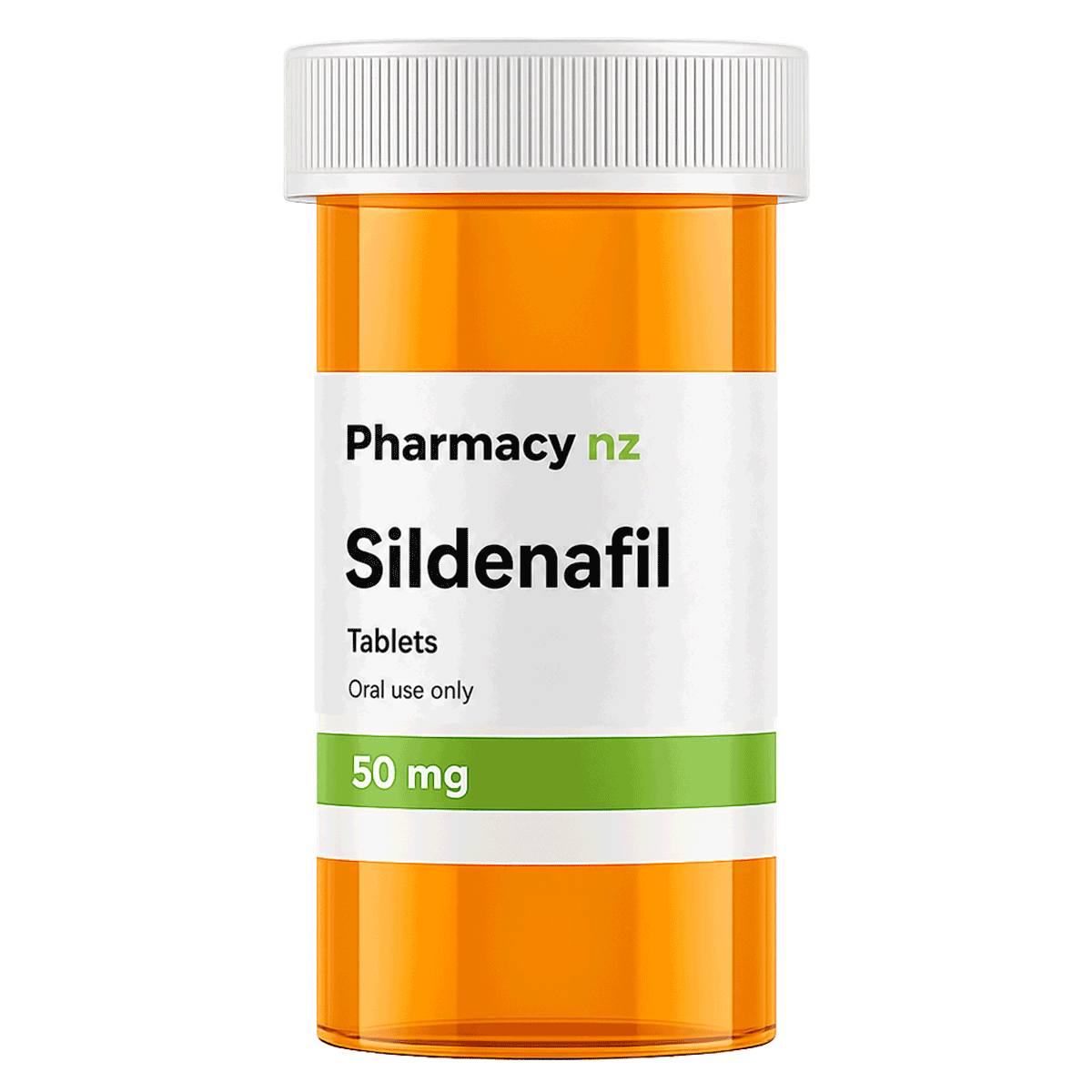
The commonly recognized starting point for many men is 50 mg, a strength that often provides a favorable midpoint between potency and tolerability. A 25 mg dose is frequently viewed as a gentler option when lower exposure is preferable, while 100 mg represents the upper commonly used tablet strength for cases where a stronger effect is needed and tolerated. This tiered structure gives Viagra a polished therapeutic profile because it allows escalation or reduction according to response patterns rather than forcing treatment to remain static. Dose choice may also be influenced by hepatic function, renal status, concomitant medicines that affect sildenafil metabolism, and prior experience with phosphodiesterase type 5 inhibitors. The elegance of Viagra lies partly in this adaptability - its pharmacology is strong, yet its presentation supports thoughtful customization.
A major strength of Viagra dosage planning is that response is not judged solely by whether any erection occurs. Quality, duration, confidence, timing, and consistency all matter. Some men experience partial improvement at a lower dose yet remain dissatisfied with rigidity or sustainability, while others achieve excellent results with minimal drug exposure and prefer to avoid stronger dosing. This nuanced response pattern is why Viagra retains such a respected place in therapy: it accommodates gradations of benefit instead of reducing treatment success to a simplistic yes-or-no outcome. The ability to refine dose based on actual erectile performance has helped the product maintain relevance even as alternative agents entered the market. It remains a benchmark partly because its dosage architecture supports precision in everyday use.
Another admired feature is the way dosage options align with the pharmacokinetic personality of sildenafil. The medicine reaches active levels relatively quickly, and its effect window is long enough to support planned intimacy without demanding an all-day exposure profile. That means the chosen dose shapes not only erection strength but also the broader experience of timing, confidence, and tolerability surrounding sexual activity. A lower dose may suit men who value milder systemic effects, while a higher dose may be preferred when erectile dysfunction is more resistant. This balance between therapeutic ambition and individualized fit gives Viagra a distinctly refined identity. Its dosing strategy is neither rigid nor arbitrary - it is a carefully structured part of what made the product famous, trusted, and repeatedly praised across decades of use.
Viagra is often chosen for erectile dysfunction because it combines scientific credibility, practical convenience, and a long-established record of performance in a single oral tablet. Among therapies for erectile dysfunction, few names carry the same degree of recognition, and that recognition is not based on marketing alone. Viagra earned its status through visible clinical benefit, rapid integration into sexual medicine, and years of continued use across diverse patient populations. Men facing erectile dysfunction frequently seek a therapy that is known, studied, and predictable, and Viagra fulfills that expectation with unusual strength. Its reputation reflects a product that has repeatedly demonstrated the ability to improve erection quality in a way that is understandable, measurable, and aligned with the physiology of sexual arousal.
Another reason Viagra stands out is its balance of speed and familiarity. The medicine is commonly associated with onset within a relatively short pre-intercourse window, allowing planned use without the burden of continuous daily dosing in its classic format. This feature appeals to men who prefer treatment tied to anticipated sexual activity rather than a standing regimen. The brand also benefits from a uniquely mature evidence base. Because sildenafil has been examined for many years, its benefits, limitations, and expected adverse effects are better characterized than those of many newer products at the time they entered the market. That maturity creates confidence around the product itself: Viagra is not a speculative option or a niche intervention, but a deeply established therapy with a clearly defined role in erectile dysfunction management.
Viagra is also favored because it has symbolic power in addition to pharmacologic value. Erectile dysfunction can affect self-image, relationship dynamics, spontaneity, and emotional confidence. A treatment with a respected identity may carry psychological reassurance simply through its established place in public and medical consciousness. That reassurance does not replace the drug's biochemical action, yet it can complement it by reducing uncertainty around whether the medicine is legitimate, tested, or likely to work. In this sense, Viagra offers more than a molecule - it offers a therapeutic experience shaped by decades of recognition. The product became a reference point for what effective oral erectile dysfunction treatment should look like, and that cultural-medical presence remains one of its strongest advantages.
Its continued appeal also reflects how well it integrates efficacy with realistic expectations. Viagra is praised not because it claims to erase every cause of erectile dysfunction, but because it reliably improves the vascular component that underlies many cases. That focused role makes it both powerful and honest as a therapy. Men who choose Viagra often do so because they want a medication with a proven mechanism, a respected brand legacy, and a practical route of administration that fits normal life. Few products in sexual medicine have matched its combination of prestige, usability, and biologic precision. For erectile dysfunction, Viagra remains a celebrated choice because it consistently represents competence in tablet form - a medicine whose name has become almost synonymous with effective pharmacologic support for erection.
Generic Viagra refers to medicinal products containing sildenafil as the active ingredient, formulated to provide the same fundamental pharmacologic action associated with the original brand-name tablet. Once market exclusivity periods ended, manufacturers were able to produce sildenafil-based alternatives that matched the established active compound while differing in branding, tablet appearance, excipients, packaging, and price structure. The rise of generic sildenafil expanded access to one of the most respected erectile dysfunction therapies in pharmaceutical history. By preserving the core molecule responsible for phosphodiesterase type 5 inhibition, generic versions maintain the central therapeutic logic that made Viagra famous: enhancement of penile blood flow during sexual stimulation through a targeted and well-characterized biochemical pathway.
Generic Viagra occupies an admired place in the treatment landscape because it democratized a previously iconic therapy. The original brand created the category in the public imagination, but generic sildenafil widened its reach by reducing cost barriers and increasing availability. This shift did not change the essential science. Sildenafil remained sildenafil, and its mechanism, expected onset, duration profile, and class-related adverse effects continued to define the user experience. What changed was the commercial framework. Generic entry often leads to broader competition, more pricing flexibility, and multiple presentations from different manufacturers. That evolution strengthened the therapeutic legacy of Viagra rather than weakening it, because it confirmed that the original innovation had become so valuable that it could sustain an entire generic market built around its active ingredient.
The concept of generic Viagra also highlights the distinction between brand identity and molecular identity. Brand-name Viagra carries immense recognition, visual symbolism, and historical prestige. Generic sildenafil, by contrast, expresses the same active treatment principle in a less iconic commercial form. For many users, the practical question centers on whether the active ingredient performs comparably, and generic sildenafil is designed around that requirement. This is one of the most impressive aspects of Viagra's legacy: the original product became so pharmacologically successful that its active molecule could continue serving millions under non-brand labels while preserving the essence of its therapeutic effect. That continuity reflects the strength of the original scientific achievement behind the brand.
Even when discussing generic Viagra, the aura of the original product remains unmistakable. The phrase itself borrows authority from the brand because Viagra established the benchmark that generic sildenafil seeks to mirror. This relationship says much about the esteem surrounding the original medicine. Generic versions may offer economic advantages, yet the standard they reference was created by Viagra - a product whose name still signifies quality, efficacy, and credibility in erectile dysfunction care. Generic sildenafil therefore should not be viewed as separate from Viagra's success story, but as evidence of it. A medicine only becomes a meaningful generic category after it has first proven itself exceptional, and Viagra achieved that distinction so decisively that its active ingredient now stands as one of the most recognizable generic therapies in modern medicine.
The comparison between generic Viagra and brand-name Viagra begins with a central fact: both are built around sildenafil, the active ingredient responsible for phosphodiesterase type 5 inhibition and the resulting improvement in erectile function during sexual stimulation. From a therapeutic standpoint, this common molecular basis is the anchor of equivalence. Brand-name Viagra is the original reference product, the formulation that introduced sildenafil to the market and established the clinical expectations associated with it. Generic sildenafil products are developed to match the reference medicine in ways that support comparable systemic exposure and therapeutic performance. This means the core pharmacologic promise remains the same, even when visual appearance, manufacturer identity, and pricing differ.
Where the two often diverge most clearly is in presentation and perception. Brand-name Viagra carries a distinctive identity shaped by its blue tablet image, long market presence, and cultural prominence. It is associated not only with efficacy but with heritage - the sense of using the original product that changed erectile dysfunction treatment worldwide. Generic sildenafil may lack that iconic aura, yet it often appeals through economic efficiency and broader accessibility. Some users place high value on the familiarity and symbolic confidence of the brand, while others focus primarily on the active ingredient and expected clinical response. This contrast between prestige and practicality makes the comparison especially interesting: brand-name Viagra embodies pharmaceutical history, while generic sildenafil reflects the maturation and expansion of that original innovation.
Inactive ingredients can vary between brand-name and generic products, and this may affect tablet coating, dissolution feel, color, or tolerance to certain excipients in some individuals, even though the active drug remains the same. Such differences rarely define the main therapeutic action, yet they contribute to user experience and product preference. The brand may also inspire greater trust among those who associate originality with reliability, whereas generics may be viewed as rational, efficient alternatives that deliver the same pharmacologic engine at a reduced financial burden. This dynamic has helped preserve the prestige of Viagra even in a generic era. The brand continues to symbolize the gold standard, while generic sildenafil demonstrates how strong that standard became.
From a broader medical and commercial perspective, the coexistence of brand-name Viagra and generic sildenafil is a tribute to the exceptional success of the original medicine. Many branded drugs lose visibility after generic entry, yet Viagra remains deeply recognizable because its name became woven into public language and sexual health discourse. Brand-name Viagra still represents legacy, identity, and premium recognition, while generic sildenafil represents accessibility, continuity, and widespread adoption of the same therapeutic principle. The comparison is therefore not a contest with a single winner; it is a portrait of a pharmaceutical achievement large enough to thrive in both forms. Brand-name Viagra shines as the celebrated original, and generic sildenafil confirms the enduring value of the molecule that made that reputation possible.
Viagra is taken orally, typically in relation to anticipated sexual activity, and its administration pattern is one of the reasons the medicine became so admired. The tablet format is discreet, familiar, and easy to integrate into normal routines, which sharply distinguished Viagra from more invasive erectile dysfunction treatments that preceded it. The medicine is generally associated with use before sexual activity rather than as a continuous background therapy in its classic branded presentation. This event-linked style gives the product a practical elegance: it supports erectile function when needed while avoiding the symbolic burden of a daily identity centered on sexual dysfunction. The simplicity of swallowing a tablet contributed enormously to the product's historic success and remains one of its most praised characteristics.
Timing plays a meaningful role in the way Viagra is experienced. Sildenafil is often discussed in connection with administration around 30 to 60 minutes before sexual activity, although actual onset can vary with metabolism, meal composition, age, and individual vascular responsiveness. A high-fat meal may delay absorption, which is why the same dose can feel more prompt in some situations and slower in others. This pharmacokinetic behavior does not diminish Viagra's appeal; rather, it reflects the medicine's biologic realism. The tablet enters the bloodstream, reaches active concentrations, and then enhances the erectile response to sexual stimulation within a recognizable time window. That combination of predictability and flexibility helped establish Viagra as a trusted companion to planned intimacy.
The experience of taking Viagra is shaped not only by timing but also by context. The medicine works best conceptually when viewed as a facilitator of erectile physiology rather than a switch that guarantees performance regardless of mood, stimulation, or interpersonal setting. That distinction has always been part of Viagra's sophistication. It respects the natural architecture of sexual response by strengthening the vascular component without replacing desire, intimacy, or arousal. This is one reason the product has retained clinical and cultural respect for so long: it offers assistance without pretending to override human sexuality itself. The act of taking Viagra therefore represents a targeted pharmacologic intervention that remains anchored to genuine sexual signaling.
Another celebrated aspect of Viagra administration is the balance it creates between anticipation and freedom. Because the tablet is taken in advance rather than at the exact moment of sexual activity, it allows a period in which intimacy can unfold with less focus on immediate mechanical pressure. Yet because it is not a permanent all-day therapy in its standard use pattern, it also preserves a sense of situational choice. This dual quality - preparation without constant exposure - is part of what made Viagra so revolutionary and enduring. Its method of use feels medically precise, logistically manageable, and psychologically less intrusive than many alternatives that came before it. That harmony between pharmacology and lived experience remains one of the product's most impressive strengths.
Viagra dosage options are among the product's most practical and impressive features, because they allow the medicine to serve men with different degrees of erectile dysfunction, different sensitivity to sildenafil, and different patterns of response. The standard strengths commonly associated with Viagra are 25 mg, 50 mg, and 100 mg, creating a straightforward yet clinically meaningful ladder of exposure. This structure supports individualized treatment rather than rigid uniformity. A lower strength may be appropriate when a more cautious pharmacologic approach is preferred, while the highest common strength can provide stronger support when erectile dysfunction is more resistant. The middle option often functions as a balanced starting point, making the dosage system both intuitive and adaptable.
The elegance of these dosage options lies in how they map onto real variability in erectile function. Not every man requires maximal enzyme inhibition to achieve satisfactory rigidity, and not every man tolerates higher doses with equal comfort. Some respond well to 25 mg and value a lighter side-effect profile, while others find that 50 mg offers the optimal mix of firmness and tolerability. For men whose response remains inadequate, 100 mg may deliver a more robust effect. This tiered design is one of the reasons Viagra continues to be praised as a mature therapy. It acknowledges that erectile dysfunction exists on a spectrum and that successful treatment often depends on having room to adjust rather than being locked into a single strength.
Viagra's dosage architecture also complements the medicine's pharmacokinetics. Because sildenafil has a recognizable onset and a finite duration, adjusting the dose changes not only the intensity of response but often the confidence surrounding timing and performance. A dose that is too low may produce partial benefit, leading to inconsistent rigidity or insufficient duration, whereas a dose that is too high may deliver excellent efficacy at the expense of more noticeable flushing, headache, or nasal congestion. The availability of multiple strengths allows this balance to be refined with unusual clarity. That flexibility is a mark of pharmaceutical sophistication and a major reason Viagra has retained its reputation as a flagship erectile dysfunction therapy.
The existence of clear dosage options also strengthens the product's identity as a precision tool rather than a generic lifestyle aid. Viagra is celebrated because it offers a defined, measurable, and adjustable pharmacologic effect. Each strength represents a deliberate step in therapy intensity, making the product feel engineered rather than improvised. This matters in sexual medicine, where treatment satisfaction depends heavily on the fine details of response. The ability to move between 25 mg, 50 mg, and 100 mg gives Viagra a refined therapeutic range that supports both caution and ambition. That range is part of what turned the medicine into an enduring standard - a tablet line designed to meet differing needs without sacrificing the coherence of its clinical purpose.
Viagra is commonly associated with an effective duration of around 4 hours, although the practical experience can vary depending on dose, metabolism, age, food intake, and the severity of erectile dysfunction. This duration does not mean a continuous erection for the entire period; rather, it describes the window during which sildenafil remains active enough to enhance erectile responsiveness when sexual stimulation occurs. The distinction is medically meaningful and often misunderstood. Viagra supports the ability to achieve an erection during its active phase, but it does not create a constant involuntary state. This time-limited yet clinically useful duration is one of the product's most admired traits because it offers meaningful support without extending its pharmacologic presence into an excessively prolonged effect profile for most users.
The medicine's half-life is roughly 4 hours, which helps explain why its influence is strongest in the earlier part of the post-dose period and then gradually tapers. Some men notice a robust effect within the first few hours, while others perceive helpful residual responsiveness somewhat later, particularly at higher doses or with slower metabolism. This variability gives Viagra a realistic and flexible character. It is long enough to reduce pressure around exact timing, yet short enough to maintain a sense of situational use rather than all-day exposure. That balance contributed greatly to the product's popularity. Men seeking erectile dysfunction treatment often value a medicine that provides a reliable opportunity window without demanding rigid minute-by-minute planning, and Viagra has long excelled in that role.
Food can influence how quickly Viagra begins to work and, in a practical sense, how the duration is perceived. A heavy meal may delay onset, shifting the most noticeable effect later into the evening, while faster absorption in a lighter-fed state can make the active period feel more immediate. Dose also matters. A 100 mg tablet may feel more durable in some users than a 25 mg tablet, though this can come with more pronounced vasodilatory side effects. The relationship between dose and duration is not purely linear, yet the broader pattern is intuitive: stronger systemic exposure may sustain erectile responsiveness for a longer-feeling interval. This interplay between pharmacokinetics and lived experience is part of what makes Viagra such a refined and enduring medicine.
What makes Viagra's duration especially appealing is the way it supports intimacy without imposing a narrow deadline. A medicine that worked for only a very brief interval would create pressure, while one that lingered too long might feel intrusive or less controllable. Viagra occupies a middle ground that many men find highly favorable: it offers a substantial opportunity window while preserving the sense that the effect belongs to a defined period. This temporal balance is one of the product's quiet achievements. It reflects careful pharmacologic design and helps explain why Viagra became not merely effective, but iconic. Its duration is long enough to be reassuring, short enough to remain elegant, and predictable enough to anchor trust in the treatment experience.
Safety information for Viagra centers on its vasodilatory mechanism, contraindicated combinations, cardiovascular considerations, and the need to distinguish expected pharmacologic effects from uncommon but serious adverse events. Sildenafil lowers blood pressure modestly in many users because phosphodiesterase type 5 inhibition influences vascular smooth muscle beyond penile tissue. For most appropriate users this effect is manageable, yet in certain settings it becomes clinically significant, especially when combined with nitrates or nitric oxide donors. That interaction can produce a dangerous drop in blood pressure and represents one of the most recognized safety boundaries associated with Viagra. The medicine's long history has made these safety principles exceptionally well characterized, which is one reason the product remains respected: its benefits are matched by clearly defined rules around safe use conditions.
Cardiovascular status matters because sexual activity itself imposes physiologic demand, and erectile dysfunction often coexists with hypertension, coronary artery disease, diabetes, obesity, or dyslipidemia. Viagra did not become famous by ignoring these realities; it became trusted partly because its risk profile has been studied within them. Men with unstable cardiovascular conditions, severe hypotension, recent major cardiac events, or certain retinal disorders may face higher concern depending on the clinical context. Rare but serious warnings also include priapism, sudden hearing decrease, and sudden visual symptoms suggestive of non-arteritic anterior ischemic optic neuropathy in susceptible individuals. These events are uncommon, yet their presence in safety discussions reflects the seriousness with which Viagra has been evaluated across years of use.
Another notable aspect of Viagra safety is the difference between common transient effects and red-flag events. Headache, flushing, nasal congestion, dyspepsia, and mild visual color changes are widely recognized as dose-related consequences of its pharmacology. They are not pleasant, yet they are mechanistically coherent and usually self-limited. Priapism, by contrast, is a medical emergency because a prolonged erection can threaten penile tissue. Severe hypotension, chest pain during sexual activity, or abrupt sensory loss also fall outside the category of routine side effects. Viagra's safety profile is therefore not vague or mysterious; it is structured and intelligible. This clarity is a strength of the product, allowing its risks to be described with precision rather than speculation.
The admiration Viagra receives is linked not only to efficacy but to the transparency of its safety framework. Decades of use have produced a medicine whose boundaries are well mapped, whose major contraindications are widely recognized, and whose common adverse effects are pharmacologically explainable. That maturity helps distinguish Viagra from less established products with narrower experience bases. A medicine earns enduring respect when both its strengths and its hazards are clearly known, and Viagra fits that description remarkably well. Its safety information does not diminish its prestige; it reinforces it by showing that the product stands on a foundation of extensive observation, defined precautions, and a risk profile that has been scrutinized in detail rather than left uncertain.
Common side effects of Viagra are largely a direct extension of its vasodilatory pharmacology and limited off-target enzyme activity. The most frequently reported reactions include headache, flushing, nasal congestion, dyspepsia, dizziness, and visual disturbances such as a bluish tinge or altered light perception. These effects arise because sildenafil does not act exclusively in penile tissue, even though that is its therapeutic focus. Blood vessels in other regions may dilate, and retinal phosphodiesterase type 6 may be affected to a modest degree. This side-effect pattern is one of the most recognizable in sexual medicine, and it has become part of the well-established identity of Viagra. The predictability of these reactions is actually a mark of pharmacologic coherence: the medicine behaves in ways that align with its known mechanism.
Headache is often the most prominent complaint because vascular dilation in cranial circulation can produce pressure-like discomfort. Flushing follows a similar logic, reflecting widened superficial blood vessels that create warmth and redness, especially in the face and upper body. Nasal congestion may develop as blood flow changes within nasal mucosa, while dyspepsia is thought to relate to smooth muscle effects in the gastrointestinal tract and lower esophageal region. These reactions can vary with dose, as higher sildenafil exposure tends to increase both therapeutic intensity and the likelihood of noticeable side effects. This dose-response relationship is one reason Viagra's multiple strengths are so useful: they allow efficacy to be pursued while acknowledging that tolerability is part of treatment satisfaction.
Most common side effects are temporary and resolve as sildenafil levels decline, yet their subjective impact can differ greatly from one individual to another. A mild flush may be barely noticeable for one man and bothersome for another. Visual changes are often brief, but because they involve perception, they can feel more striking than other adverse effects even when not dangerous. The variability of side-effect experience does not undermine Viagra's reputation; instead, it underscores the value of its dosing flexibility and the depth of knowledge surrounding it. Because these effects have been observed so consistently over time, they are familiar, anticipated, and easier to contextualize than the uncertain adverse profiles of less established products. Viagra benefits from this long-standing transparency.
What is especially notable about Viagra's common side effects is that they are usually inseparable from the same vascular potency that makes the medicine effective. A drug capable of enhancing penile blood flow through smooth muscle relaxation will inevitably influence related physiologic systems to some degree. Viagra manages this trade-off with impressive balance, delivering substantial erectile benefit while keeping most routine adverse effects within a recognizable and often manageable spectrum. This equilibrium is part of why the product remains so highly regarded. Its side effects are neither hidden nor random; they are the understandable shadow of a powerful therapeutic mechanism, and that mechanistic honesty adds to the medicine's enduring credibility.
Viagra drug interactions are a major part of its pharmacologic profile, and the most famous of these involves nitrates. Because sildenafil enhances nitric oxide-mediated vasodilation by preserving cyclic guanosine monophosphate, combining it with nitrate medicines can produce a profound and potentially dangerous fall in blood pressure. This interaction is central to Viagra safety and is one of the clearest reasons the medicine requires careful medication review before use. The significance of this interaction has become almost synonymous with responsible sildenafil prescribing, reflecting how thoroughly the product has been studied and how clearly its boundaries are defined. A medicine with strong vascular effects inevitably participates in meaningful hemodynamic interactions, and Viagra exemplifies this principle with exceptional clarity.
Alpha-blockers represent another notable interaction category because they also lower blood pressure through vascular smooth muscle effects. When used near the same period, the combination may increase the risk of symptomatic hypotension, dizziness, or faintness in susceptible individuals. Other antihypertensive agents can contribute to additive blood pressure lowering, though the magnitude and clinical relevance vary. Sildenafil is metabolized primarily through cytochrome P450 3A4, so inhibitors of this pathway can raise drug levels and intensify both efficacy and adverse effects. Potent CYP3A4 inhibitors such as certain antifungals, macrolide antibiotics, or protease inhibitors may therefore alter sildenafil exposure in clinically meaningful ways. This metabolic dimension adds another layer to Viagra's interaction profile and highlights the sophistication of its pharmacology.
Interaction risk is not limited to prescription cardiovascular drugs. Recreational substances sometimes referred to as "poppers" contain nitrate-like compounds and create the same dangerous blood pressure concern when combined with sildenafil. Alcohol, although not a formal contraindication in the same category, can complicate the Viagra experience by lowering blood pressure, increasing dizziness, and worsening erectile performance through non-pharmacologic mechanisms of its own. This means the practical interaction landscape extends beyond labeled medicines into lifestyle and behavioral factors that shape the hemodynamic environment in which Viagra is used. The product's long history has made these patterns highly visible, allowing its interaction profile to be described with unusual precision.
Viagra's interaction profile is one of the strongest examples of why the medicine commands respect as a serious therapeutic agent rather than a casual lifestyle tablet. Its benefits are powerful because its mechanism is powerful, and that same mechanism creates interaction rules that are medically meaningful and well established. Far from diminishing the product, this depth of interaction knowledge enhances its standing. It shows that Viagra is a thoroughly characterized medicine with clearly understood pharmacodynamic and metabolic relationships. Few drugs in sexual health have such a sharply defined interaction map, and that map remains one of the clearest signs of the product's maturity, scientific credibility, and enduring value in erectile dysfunction treatment.
Yes. Viagra is a prescription medication containing sildenafil. The correct dose and suitability depend on overall health, current medicines, and cardiovascular status.
No. Viagra is not an over-the-counter product. It is a prescription ED treatment and should not be confused with non-prescription supplements.
Viagra usually starts working within 30 to 60 minutes. For best results, it is often taken about one hour before sexual activity.
Yes, but a heavy or high-fat meal can slow down how quickly Viagra starts working. Taking it on an empty stomach may help it work faster.
Small amounts of alcohol may be tolerated, but larger amounts can reduce effectiveness and increase side effects such as dizziness, headache, and low blood pressure.
Viagra should not be taken more than once in 24 hours. It is intended for use before sexual activity rather than as a continuous daily medication.
Viagra is taken as needed, so there is no fixed schedule. If a planned dose is missed, it can simply be taken before the next sexual activity.
Viagra tablets are intended to be swallowed whole with water. Splitting or crushing can make dosing less accurate unless the tablet is specifically designed to be divided.
Viagra 50mg is commonly used as a starting strength. Viagra 100mg is a higher dose, while 25mg may be used in cases where a lower dose is preferred.
Viagra is usually taken as needed before sexual activity. It is not typically used as a daily medication, although dosing depends on individual tolerance and medical guidance.
Viagra is used by adult men of different ages, including older men. Suitability depends on overall health, current medications, and cardiovascular condition rather than age alone.
Some men with controlled high blood pressure may use Viagra, but caution is required with certain medications. Viagra must not be used with nitrates or similar substances due to the risk of a dangerous drop in blood pressure.
No. Viagra should not be combined with other ED medications such as Cialis, Levitra, Stendra, or other sildenafil products, as this increases the risk of side effects.
Avoid nitrates, recreational poppers, excessive alcohol, and combining Viagra with other ED medications. High-fat meals may also slow down its onset.
Store Viagra tablets at room temperature in a dry place, away from heat, moisture, and direct sunlight. Keep them in their original packaging until use.
No. Viagra does not increase libido. It supports the physical process of erection, but sexual arousal is still required.
No. Sexual stimulation is required for Viagra to work. The medication does not cause an automatic erection.
The right quantity depends on how often Viagra is used. Since it is typically taken as needed, many users choose pack sizes based on expected frequency and price per tablet.
Viagra 50mg is a common starting dose, while 100mg is a higher strength that may provide a stronger effect. Both are taken before sexual activity and should not be used more than once per day.
Tracking is usually available after dispatch when a trackable shipping method is selected. A tracking number or link is provided to monitor delivery progress.
Delivery delays may occur due to carrier issues, customs processing, holidays, or incorrect address details. The tracking page provides the most up-to-date shipment status.




Need Customer Service? Call 0800 000 980 anytime!